
Top Factors Affecting the Life of Your Ignition Coil Module
2026-02-08
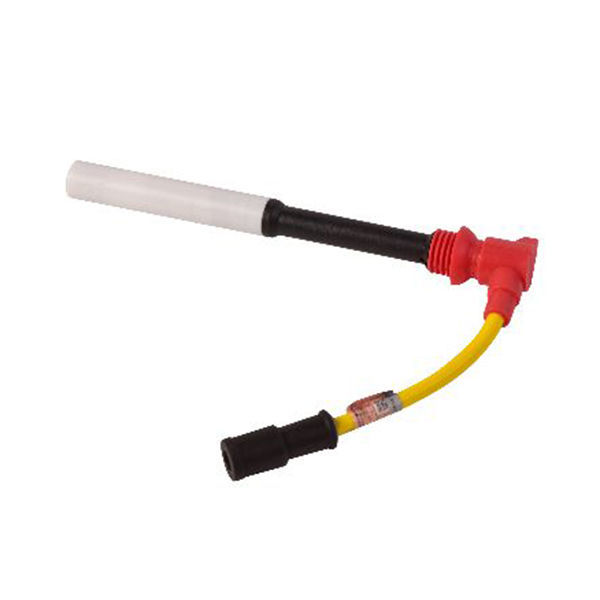
Top Factors Affecting the Life of Your Ignition Coil Module
The ignition coil module plays a pivotal role in your vehicle's engine performance. As the component responsible for converting the battery's low voltage into the high voltage necessary to ignite the air-fuel mixture, it ensures that your engine starts smoothly and operates efficiently. However, like any other automotive part, the ignition coil module has a finite lifespan. Understanding the **top factors that affect its life** can save you from unexpected breakdowns and costly repairs.
Table of Contents
- Understanding Ignition Coil Modules
- The Importance of Ignition Coil Lifespan
- Common Factors Affecting Lifespan
- Quality of Parts and Manufacturers
- Heat and Temperature Impacts
- Voltage Supply and Electrical Issues
- Regular Maintenance Practices
- Environmental Factors Affecting Coil Lifespan
- FAQs
- Conclusion
Understanding Ignition Coil Modules
The ignition coil module is a crucial component of the vehicle's ignition system. It transforms the battery voltage into a much higher voltage, typically between 12,000 and 45,000 volts, required to create a spark in the spark plugs. This process ignites the air-fuel mixture within each cylinder, enabling the engine to run efficiently. Ignition coil modules can be found in various designs, including single-coil, dual-coil, and coil-on-plug systems, each serving the same basic purpose but differing in application and complexity.
The Importance of Ignition Coil Lifespan
The lifespan of your ignition coil module significantly impacts your vehicle's overall performance and efficiency. A failing coil can lead to poor fuel economy, increased emissions, and engine misfires. In essence, understanding the lifespan of your ignition coil module allows you to make informed decisions regarding maintenance and replacement, ensuring your vehicle runs at optimal levels and reducing the risk of sudden failures.
Common Factors Affecting Lifespan
Several factors contribute to the deterioration of ignition coil modules. By being aware of these influences, you can take proactive steps to extend their life. Let's explore the most common factors affecting ignition coil lifespan:
Quality of Parts and Manufacturers
The **quality of your ignition coil module** is paramount. Choosing reputable brands can make a significant difference in durability and performance. Low-quality parts may not be able to withstand the rigors of engine operation, leading to faster wear and failure. Always opt for ignition coils that meet OEM (Original Equipment Manufacturer) standards for the best results.
Heat and Temperature Impacts
Extreme temperatures can lead to premature failure of ignition coil modules. High heat levels, often caused by engine overloading or poor ventilation, can cause the insulation to break down, leading to short circuits. On the contrary, excessively cold temperatures can hinder the coil's ability to produce a strong spark, affecting starting and performance. Ensuring proper cooling systems and monitoring engine temperature can help mitigate these effects.
Voltage Supply and Electrical Issues
The ignition coil module requires a stable voltage supply to function effectively. Fluctuations in voltage due to electrical issues, such as poor connections, corroded terminals, or a weak battery, can stress the ignition coil. Consistent monitoring of electrical systems can help prevent these issues from negatively impacting the ignition coil’s lifespan.
Regular Maintenance Practices
Routine maintenance is critical in prolonging the life of your ignition coil module. Regularly checking spark plugs, ignition wires, and engine tuning can prevent excess strain on the ignition coil. Moreover, ensuring that your vehicle undergoes periodic diagnostics can help identify potential issues before they escalate into more significant problems.
Environmental Factors Affecting Coil Lifespan
Your vehicle's operating environment significantly influences the ignition coil module's lifespan. Factors such as humidity, exposure to water, or harsh chemicals can lead to corrosion and electrical failure. Furthermore, vehicles operating in areas with high levels of debris or contaminants may experience reduced performance due to accumulated dirt. Protecting your vehicle from harsh environmental conditions can help extend the life of its components.
FAQs
1. What are the signs of a failing ignition coil module?
Common signs include engine misfires, reduced fuel efficiency, difficulty starting the engine, and the illumination of the check engine light. If you experience these symptoms, it may be time to inspect your ignition coil module.
2. How long does an ignition coil module typically last?
On average, an ignition coil module can last between 60,000 to 100,000 miles. However, factors such as driving habits, maintenance, and environmental conditions can affect its lifespan.
3. Can I replace the ignition coil module myself?
Yes, if you have basic automotive knowledge and tools, replacing an ignition coil module can be a straightforward task. However, if you're uncertain, it's best to consult a professional mechanic.
4. What can I do to extend the life of my ignition coil module?
Regular maintenance, using high-quality parts, monitoring engine temperature, and ensuring proper electrical connections can all help extend the life of your ignition coil module.
5. Are there specific ignition coils for different vehicles?
Yes, ignition coils are specific to vehicle makes and models. Always refer to your vehicle's manual or consult with a professional to ensure you purchase the correct ignition coil for your vehicle.
Conclusion
In conclusion, understanding the **top factors affecting the life of your ignition coil module** is crucial for maintaining optimal vehicle performance. By being proactive in your vehicle maintenance, investing in quality parts, and paying attention to environmental influences, you can significantly extend the lifespan of your ignition coil module. This will not only enhance your vehicle's performance but also save you from unexpected repairs down the line. Stay informed, stay proactive, and enjoy a smoother driving experience.
Previous:
Latest News

Address
No.68, Hongqi Rd , Zhuzhou City , Hunan , China.
2025 © Weichai Torch Technology Co., Ltd. All Rights Reserved