
Understanding Motorcycle Ignition Coils: A Key Component for Optimal Performance
2026-02-02
---
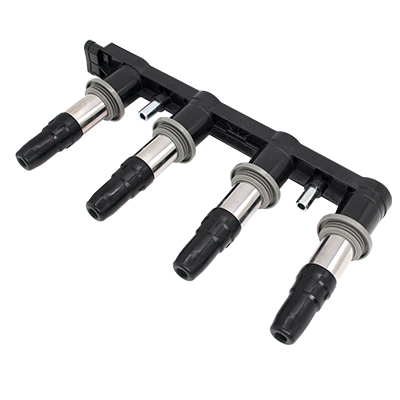
When it comes to the intricate world of motorcycle engines, the ignition coil stands out as a critical component that plays a pivotal role in the overall performance of the vehicle. The motorcycle ignition coil is responsible for transforming the battery's low voltage into the high voltage needed to ignite the fuel-air mixture in the engine's cylinders. Understanding how this component works, along with its significance, can greatly enhance a rider's knowledge and maintenance of their motorcycle.
At its core, the motorcycle ignition coil operates on the principles of electromagnetic induction. It consists of two wire coils, known as the primary and secondary coils, wrapped around a magnetic core. When electricity flows through the primary coil, it creates a magnetic field. Once the current is shut off, the magnetic field collapses, inducing a high voltage in the secondary coil. This high voltage is essential to produce a spark at the spark plug, igniting the fuel-air mixture and ultimately powering the motorcycle engine.
The importance of a well-functioning ignition coil cannot be overstated. A faulty ignition coil can lead to various engine performance issues, such as misfires, hard starting, or even complete failure to start. Riders may also experience reduced acceleration, poor fuel efficiency, and increased exhaust emissions. Therefore, understanding the signs of an impending ignition coil failure is crucial for any motorcycle owner. Common symptoms include engine stuttering, backfiring, or difficulty in starting the motorcycle.
To ensure the longevity and efficiency of the motorcycle ignition coil, regular maintenance is essential. Here are some practical tips for maintaining this vital component:
1. **Inspect Regularly**: Check the ignition coil and its connections for signs of wear, corrosion, or damage. Any visible wear can indicate that it may be time for a replacement.
2. **Check Spark Plugs**: A faulty spark plug can put extra strain on the ignition coil. Ensure that your spark plugs are in good condition, as they are critical to the ignition process.
3. **Keep the Electrical System Clean**: Ensure that all electrical connections related to the ignition system are clean and free of corrosion. This will help maintain a strong connection and reduce the risk of failure.
4. **Consult a Professional**: If you experience any issues with starting or engine performance, it may be wise to consult a professional mechanic to diagnose the problem accurately.
In conclusion, the motorcycle ignition coil is an indispensable part of the ignition system, directly impacting the engine's performance and reliability. By understanding its function and taking proactive maintenance steps, motorcycle owners can ensure a smoother and more enjoyable riding experience. Whether you're a seasoned rider or new to the motorcycle world, knowledge of the ignition coil can empower you to take better care of your machine.
When it comes to the intricate world of motorcycle engines, the ignition coil stands out as a critical component that plays a pivotal role in the overall performance of the vehicle. The motorcycle ignition coil is responsible for transforming the battery's low voltage into the high voltage needed to ignite the fuel-air mixture in the engine's cylinders. Understanding how this component works, along with its significance, can greatly enhance a rider's knowledge and maintenance of their motorcycle.
At its core, the motorcycle ignition coil operates on the principles of electromagnetic induction. It consists of two wire coils, known as the primary and secondary coils, wrapped around a magnetic core. When electricity flows through the primary coil, it creates a magnetic field. Once the current is shut off, the magnetic field collapses, inducing a high voltage in the secondary coil. This high voltage is essential to produce a spark at the spark plug, igniting the fuel-air mixture and ultimately powering the motorcycle engine.
The importance of a well-functioning ignition coil cannot be overstated. A faulty ignition coil can lead to various engine performance issues, such as misfires, hard starting, or even complete failure to start. Riders may also experience reduced acceleration, poor fuel efficiency, and increased exhaust emissions. Therefore, understanding the signs of an impending ignition coil failure is crucial for any motorcycle owner. Common symptoms include engine stuttering, backfiring, or difficulty in starting the motorcycle.
To ensure the longevity and efficiency of the motorcycle ignition coil, regular maintenance is essential. Here are some practical tips for maintaining this vital component:
1. **Inspect Regularly**: Check the ignition coil and its connections for signs of wear, corrosion, or damage. Any visible wear can indicate that it may be time for a replacement.
2. **Check Spark Plugs**: A faulty spark plug can put extra strain on the ignition coil. Ensure that your spark plugs are in good condition, as they are critical to the ignition process.
3. **Keep the Electrical System Clean**: Ensure that all electrical connections related to the ignition system are clean and free of corrosion. This will help maintain a strong connection and reduce the risk of failure.
4. **Consult a Professional**: If you experience any issues with starting or engine performance, it may be wise to consult a professional mechanic to diagnose the problem accurately.
In conclusion, the motorcycle ignition coil is an indispensable part of the ignition system, directly impacting the engine's performance and reliability. By understanding its function and taking proactive maintenance steps, motorcycle owners can ensure a smoother and more enjoyable riding experience. Whether you're a seasoned rider or new to the motorcycle world, knowledge of the ignition coil can empower you to take better care of your machine.
TAG:
Previous:
Latest News

Address
No.68, Hongqi Rd , Zhuzhou City , Hunan , China.
2025 © Weichai Torch Technology Co., Ltd. All Rights Reserved