
From Installation to Maintenance: Understand Your Spark Plug Wire Set
2026-02-04
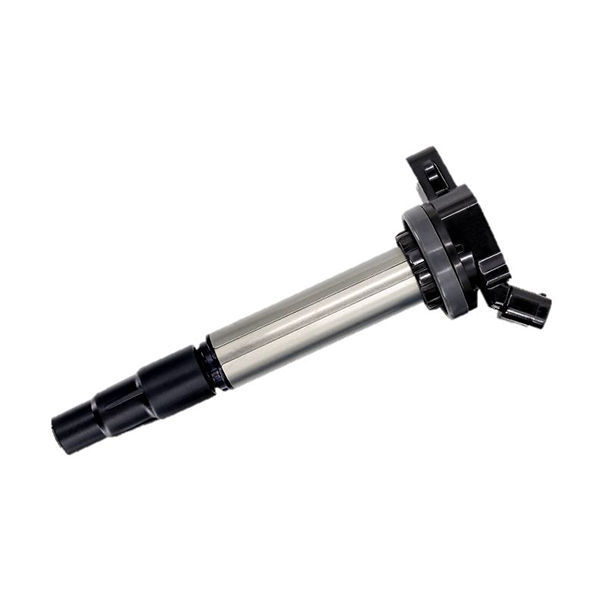
From Installation to Maintenance: Understand Your Spark Plug Wire Set
In the world of automotive maintenance, spark plug wire sets often don't get the attention they deserve. However, these essential components play a crucial role in the performance of your vehicle’s engine. Whether you're a seasoned mechanic or a DIY enthusiast, understanding the installation, maintenance, and replacement of spark plug wire sets can significantly enhance your vehicle's efficiency and lifespan. This article delves into every aspect of spark plug wire sets, from their function and importance to practical tips for installation and maintenance.
Table of Contents
- Understanding Spark Plug Wire Sets
- Importance of Spark Plug Wire Sets
- Components of Spark Plug Wire Sets
- How to Install Spark Plug Wire Sets
- Common Mistakes During Installation
- Maintenance Tips for Spark Plug Wire Sets
- When to Replace Spark Plug Wire Sets
- Frequently Asked Questions
Understanding Spark Plug Wire Sets
A spark plug wire set, also known as an ignition wire set, comprises high-voltage wires that connect the ignition coil to the spark plugs in your engine. These wires transmit electrical energy necessary for igniting the air-fuel mixture within the combustion chamber. Proper functioning of these wires is critical for achieving optimal engine performance.
The Role of Spark Plug Wire Sets in Ignition Systems
The primary function of spark plug wire sets is to carry electricity without losing voltage. If your spark plug wires are damaged or worn out, it can lead to misfires, reduced fuel efficiency, and ultimately, engine failure. Understanding this critical role helps emphasize the importance of regular maintenance and timely replacement of these components.
Importance of Spark Plug Wire Sets
In any vehicle, ensuring that the ignition system is functioning correctly is paramount. Here’s why spark plug wire sets should be on your radar:
1. Enhanced Engine Performance
Worn or faulty spark plug wires can lead to inefficient combustion. This inefficiency often manifests as reduced power output and poor acceleration. By ensuring your spark plug wire set is in top condition, you can experience smoother rides and better throttle response.
2. Improved Fuel Efficiency
When your engine operates efficiently, it consumes fuel more effectively. Properly functioning spark plug wires can lead to significant fuel savings, making it an economical choice in the long run.
3. Reduced Emissions
Efficient combustion not only improves performance but also reduces harmful emissions. This can keep your vehicle compliant with environmental regulations and help you contribute to a cleaner environment.
Components of Spark Plug Wire Sets
Understanding the components of spark plug wire sets can help in both selection and maintenance. Here are the primary components:
1. Conductor
The conductor is usually made of copper or a mix of copper and steel. This part is responsible for carrying the electrical current from the ignition coil to the spark plug.
2. Insulation
High-quality insulation surrounds the conductor, preventing electrical leakage. Common materials include silicone and EPDM rubber, which can withstand high temperatures and resist wear.
3. Boot
The boot connects the wire to the spark plug and ignition coil. The boot must be snug to prevent moisture and dirt from entering the connection points.
How to Install Spark Plug Wire Sets
Installing spark plug wire sets doesn’t require extensive mechanical knowledge, but it does demand attention to detail. Follow these steps for a successful installation:
Step 1: Gather Your Tools
You’ll need a socket set, a torque wrench, and possibly a wire puller. Ensure you have your new spark plug wire set ready for installation.
Step 2: Disconnect the Battery
Safety first! Disconnect the vehicle’s battery to prevent any electrical shorts during installation.
Step 3: Remove Old Wires
Carefully remove the old spark plug wires one at a time to avoid mixing them up. This is critical, especially if you are working with a distributor cap.
Step 4: Install New Wires
Starting with the wire closest to the engine, attach the new wire to the spark plug and ignition coil. Ensure you push it in securely until you feel a click.
Step 5: Reconnect the Battery
Once all wires are installed and checked for tightness, reconnect the battery.
Step 6: Test the Engine
Start the engine and listen for any misfires, ensuring that everything operates smoothly. If the engine runs smoothly, congratulations! You’ve successfully installed your spark plug wire set.
Common Mistakes During Installation
Even seasoned mechanics can make mistakes. Here are some common pitfalls to avoid:
1. Mixing Up Wire Order
Always replace wires one at a time to prevent confusion about their correct placement.
2. Insufficient Tightness
Ensure that each wire is securely attached. Loose connections can lead to electrical issues and engine misfires.
3. Using Incompatible Wires
Different vehicles require different types of wires. Always check compatibility before installation.
Maintenance Tips for Spark Plug Wire Sets
Maintaining your spark plug wire set can extend its lifespan and enhance vehicle performance. Here are some essential tips:
1. Regular Inspections
Periodic checks can help identify wear and tear before they become significant issues. Look for any signs of cracking or fraying.
2. Keep Connections Clean
Ensure that the connections to the spark plugs and ignition coils are free from dirt and corrosion. A clean connection improves electrical conductivity.
3. Protect from Heat Damage
Ensure that wires are routed away from excessively hot engine components. Consider using wire looms or ties to secure them in position.
When to Replace Spark Plug Wire Sets
Knowing when to replace spark plug wire sets is crucial for maintaining optimal vehicle performance. Here are some indicators that it's time for a replacement:
1. Visible Wear and Tear
Cracked or frayed wires should be replaced immediately to prevent electrical leaks and misfires.
2. Engine Misfires
If your engine starts misfiring, it could be a sign of failing spark plug wires. Test and replace as necessary.
3. Decreased Fuel Efficiency
Noticeable drops in fuel efficiency may indicate that your spark plug wires are not functioning optimally and require replacement.
Frequently Asked Questions
1. How often should I replace my spark plug wire set?
Typically, spark plug wire sets should be replaced every 60,000 to 100,000 miles, but always refer to your vehicle's manual for specific recommendations.
2. Can I replace the spark plug wires myself?
Yes, replacing spark plug wires is a manageable task for most DIY enthusiasts. Just follow the instructions carefully.
3. What should I do if my engine is misfiring?
Check the spark plug wires first for any signs of wear or connection issues. If necessary, replace them and see if the issue resolves.
4. Are all spark plug wires the same?
No, spark plug wires vary based on vehicle make and model. Always use the recommended wires for your specific vehicle.
5. Can faulty spark plug wires damage my engine?
Yes, failure to address faulty spark plug wires can lead to severe engine performance issues, including engine damage over time due to improper combustion.
Conclusion
Understanding and maintaining your spark plug wire set is essential for ensuring your vehicle runs at its best. From installation to regular maintenance, taking the time to care for these components can lead to enhanced engine performance, improved fuel efficiency, and reduced emissions. By following the guidelines and tips outlined in this article, you can ensure that your vehicle stays reliable and efficient for years to come. Don't underestimate the importance of a well-maintained spark plug wire set—your engine will thank you for it!
Previous:
Latest News

Address
No.68, Hongqi Rd , Zhuzhou City , Hunan , China.
2025 © Weichai Torch Technology Co., Ltd. All Rights Reserved