
DIY Guide: How to Install a Spark Plug Wire Set Like a Pro
2026-05-27
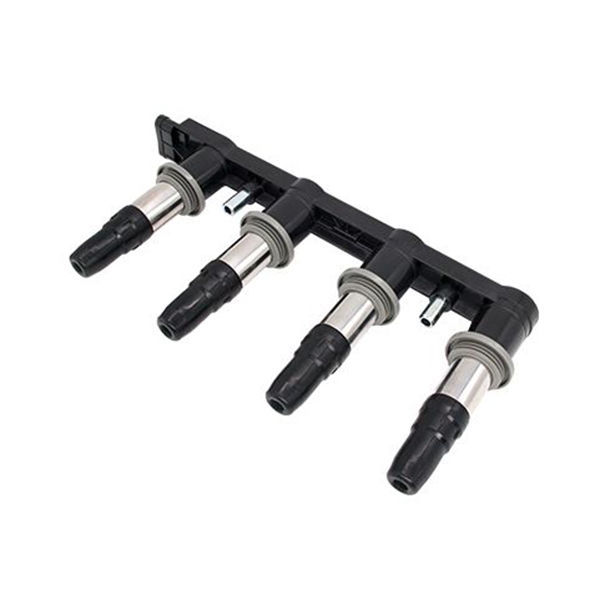
DIY Guide: How to Install a Spark Plug Wire Set Like a Pro
Table of Contents
- 1. Introduction to Spark Plug Wire Sets
- 2. The Importance of Spark Plug Wires in Engine Performance
- 3. Essential Tools for Installing Spark Plug Wires
- 4. Preparation Steps Before Installation
- 5. Step-by-Step Installation Process
- 6. Common Issues and How to Avoid Them
- 7. Maintenance Tips for Spark Plug Wires
- 8. Conclusion
- 9. Frequently Asked Questions
1. Introduction to Spark Plug Wire Sets
Spark plug wire sets are crucial components in your vehicle's ignition system. They carry the electrical current from the ignition coil to the spark plugs, which ignite the air-fuel mixture in the engine's cylinders. Understanding the significance of these wires is key to maintaining optimal engine performance and fuel efficiency. In this guide, we will provide you with a detailed procedure for installing a spark plug wire set, ensuring a professional finish.
2. The Importance of Spark Plug Wires in Engine Performance
The spark plug wires play an essential role in the ignition system. They ensure that the spark plugs receive the right voltage, allowing for efficient combustion. Worn or damaged spark plug wires can cause misfires, increased emissions, and reduced fuel efficiency. By replacing your spark plug wire set regularly, you can improve engine performance, extend the life of your spark plugs, and ensure a smoother ride.
3. Essential Tools for Installing Spark Plug Wires
Before diving into the installation process, gather the necessary tools to make the job easier. Here’s a list of essential tools you will need:
3.1 Basic Tools
- **Socket wrench set**: Ideal for removing and installing spark plugs.
- **Torque wrench**: To ensure the spark plugs are tightened to the manufacturer's specifications.
- **Pliers**: For gripping and maneuvering wires.
3.2 Specialized Tools
- **Spark plug wire puller**: Helps remove old wires without damaging the connectors.
- **Wire loom**: Keeps the wires organized and prevents them from touching hot engine parts.
3.3 Safety Gear
- **Gloves**: Protect your hands from sharp objects and heat.
- **Safety glasses**: Shield your eyes from debris and chemicals.
4. Preparation Steps Before Installation
Proper preparation is crucial for a successful spark plug wire installation. Follow these steps to ensure a smooth process:
4.1 Gather Materials
Ensure you have your new spark plug wire set, tools, and safety gear ready. Having everything at hand prevents interruptions during the installation.
4.2 Disconnect the Battery
Safety first! Disconnect the negative terminal of the battery to avoid any electrical shocks while working on your ignition system.
4.3 Identify Wire Routing
Before removing the old wires, take note of how they are routed. It can be helpful to take pictures for reference, ensuring you replicate the original configuration with the new wires.
5. Step-by-Step Installation Process
Now that you're prepared, it's time to install the spark plug wire set. Follow these detailed steps:
5.1 Remove the Old Spark Plug Wires
- Start by gently pulling the old wires from the spark plugs. Use a spark plug wire puller for stubborn wires, ensuring not to yank on the wire itself, which can damage the connector.
5.2 Check Spark Plugs
- Inspect the spark plugs for wear and tear. If they are old or damaged, consider replacing them. This ensures the best performance alongside your new wires.
5.3 Install New Spark Plug Wires
- Begin installing the new wires one at a time. Match each wire to its respective spark plug and ignition coil location. Ensure they click securely into place.
5.4 Use Wire Looms if Necessary
- If your vehicle came with wire looms, install them to keep wires organized and avoid contact with hot engine components. Proper routing helps minimize electromagnetic interference.
5.5 Reconnect the Battery
- Once all wires are installed, reconnect the negative battery terminal. Ensure the connection is secure.
6. Common Issues and How to Avoid Them
While installing spark plug wires is straightforward, there are common pitfalls to watch out for:
6.1 Misfiring
- Ensure each wire is connected to the correct spark plug and ignition coil. Miswiring can lead to engine misfires.
6.2 Overheating
- Ensure that wires are properly routed to avoid contact with hot engine components. Excessive heat can cause premature wear and damage.
6.3 Loose Connections
- Make sure all connections are snug. Loose wires can lead to poor engine performance and intermittent misfires.
7. Maintenance Tips for Spark Plug Wires
To extend the life of your spark plug wires, consider these maintenance tips:
7.1 Regular Inspections
- Periodically check wires for signs of wear, cracking, or corrosion. Replace any damaged wires immediately to prevent issues.
7.2 Keep Engine Clean
- A clean engine bay reduces the risk of debris and grime affecting wire performance. Regular cleaning can help maintain optimal engine health.
7.3 Use High-Quality Parts
- Invest in high-quality spark plug wires from reputable brands. Quality components are more resistant to wear and can significantly improve performance.
8. Conclusion
Installing a spark plug wire set can seem daunting, but with the right tools, preparation, and guidance, it can be a straightforward task. Following our detailed steps, you can ensure that your vehicle's ignition system operates efficiently, leading to better performance and fuel economy. Remember to maintain your spark plug wires regularly to avoid issues and extend their lifespan. With a little effort and attention to detail, you can achieve professional-level results in your automotive DIY projects.
9. Frequently Asked Questions
What are the signs that my spark plug wires need replacing?
Common signs include engine misfires, rough idling, poor acceleration, and reduced fuel efficiency. If you notice any of these issues, it's time to inspect and potentially replace your spark plug wires.
How often should I replace my spark plug wires?
It is generally recommended to replace spark plug wires every 60,000 to 100,000 miles, but this can vary based on your vehicle's make and model. Always refer to your owner's manual for specific guidelines.
Can I install spark plug wires without professional help?
Yes, if you have basic mechanical skills and the right tools, you can install spark plug wires yourself. This DIY guide provides all the necessary steps to help you through the process.
Do I need to replace spark plugs when changing spark plug wires?
While it's not mandatory to replace spark plugs when changing the wires, it is highly recommended. If your spark plugs are old or showing signs of wear, replacing them at the same time can improve overall engine performance.
What should I do if I experience misfires after replacing spark plug wires?
If you're experiencing misfires, double-check that each wire is correctly connected to its respective spark plug and ignition coil. If everything appears in order, consider inspecting the spark plugs themselves or consult a professional mechanic.
By following this comprehensive guide, we hope you feel empowered to tackle spark plug wire installation like a pro, ensuring your vehicle remains in peak condition for years to come.
TAG:
Previous:
Latest News

Phone
Address
No.68, Hongqi Rd , Zhuzhou City , Hunan , China.
2025 © Weichai Torch Technology Co., Ltd. All Rights Reserved