
Common Mistakes When Installing an Ignition Coil Module: A Comprehensive Guide
2026-05-03
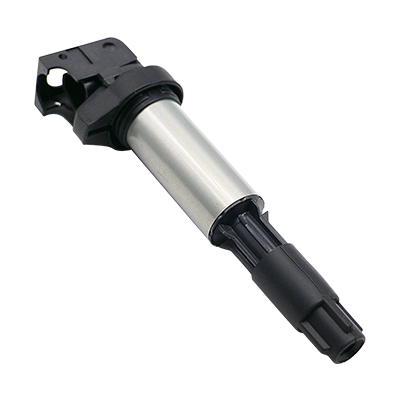
Common Mistakes When Installing an Ignition Coil Module
Installing an ignition coil module is a crucial step in maintaining your vehicle's engine performance. However, many individuals encounter common mistakes during this process, leading to poor functionality and even damage to the ignition system. In this comprehensive guide, we will explore these mistakes in detail and provide actionable solutions to ensure a smooth installation. Our goal is to equip you with the knowledge necessary for a successful DIY project or professional repair.
Table of Contents
- Understanding the Ignition Coil Module
- The Importance of Proper Installation
- Common Mistakes in Ignition Coil Module Installation
- Using the Wrong Coil Type
- Neglecting Wiring Connections
- Ignoring Torque Specifications
- Failing to Check Other Components
- Not Testing the Coil After Installation
- Best Practices for Installing an Ignition Coil Module
- Essential Tools and Equipment
- Troubleshooting Common Issues
- Conclusion
- FAQs
Understanding the Ignition Coil Module
The ignition coil module plays a pivotal role in your vehicle's ignition system. It transforms the battery’s low voltage into the high voltage needed to ignite the air-fuel mixture in the engine's combustion chamber. By generating this spark, the ignition coil ensures that your engine runs smoothly and efficiently. Missteps during installation can negatively affect performance, leading to stalling, rough idling, or even engine failure.
The Importance of Proper Installation
Proper installation of the ignition coil module is essential for several reasons:
- Optimal Engine Performance: Ensures the engine receives the necessary spark for efficient combustion.
- Longevity: A correctly installed coil module can extend the lifespan of not only the ignition coil but also other components in the ignition system.
- Cost-Effectiveness: Reduces the likelihood of having to replace parts prematurely due to installation errors.
Common Mistakes in Ignition Coil Module Installation
Understanding the common mistakes can help you avoid them and ensure a successful installation. Let’s dive deeper into each of these pitfalls:
Using the Wrong Coil Type
One of the most frequent errors is using an ignition coil that is incompatible with your vehicle's make and model. Different vehicles require specific coil types, and using the wrong one can lead to performance issues or even damage. Always consult your vehicle's manual or a professional to ensure you purchase the correct ignition coil module.
Neglecting Wiring Connections
Another common mistake is overlooking the importance of secure wiring connections. Loose or damaged wires can cause misfires, poor fuel economy, and even complete ignition failure. It’s vital to inspect all wiring harnesses before installation and ensure they are clean and free from corrosion.
Ignoring Torque Specifications
Many DIYers and even some professionals fail to adhere to the torque specifications recommended by the manufacturer. Over-tightening or under-tightening the ignition coil can lead to physical damage or inadequate performance. Always use a torque wrench and refer to the manufacturer’s guidelines to achieve the correct specifications.
Failing to Check Other Components
Installing a new ignition coil module without checking other related components is a critical mistake. Issues with spark plugs or ignition wires can lead to recurring problems even after the coil is replaced. Before installation, perform a thorough inspection of the surrounding components that interact with the ignition system.
Not Testing the Coil After Installation
After installing the ignition coil module, it is crucial to test its functionality. Failing to do so can leave unresolved issues that may affect vehicle performance. Use a multimeter to check for continuity and voltage output, ensuring the new coil is operating as intended.
Best Practices for Installing an Ignition Coil Module
To ensure a successful installation, consider the following best practices:
- Read the Manual: Always refer to the vehicle's service manual for specific installation guidelines and recommendations.
- Gather Necessary Tools: Ensure you have all the required tools, including a torque wrench, multimeter, and basic hand tools.
- Work in a Clean Environment: A clean workspace reduces the risk of dirt and debris entering the ignition system during installation.
- Take Your Time: Rushing through the installation process can lead to mistakes. Take your time to ensure each step is completed correctly.
Essential Tools and Equipment
Having the right tools is essential for a smooth installation process. Here’s a list of must-have tools:
- Torque Wrench
- Multimeter
- Screwdrivers (flathead and Phillips)
- Socket Set
- Wire Brush (for cleaning connections)
- Safety Goggles and Gloves
Troubleshooting Common Issues
Even with proper installation, issues may still arise. Here are some common problems and their solutions:
- Engine Misfiring: Check for loose connections and ensure that the correct coil type is installed.
- Poor Fuel Economy: This can often stem from faulty spark plugs or a misconfigured ignition system. Inspect these components carefully.
- Check Engine Light: Use an OBD-II scanner to identify error codes that may point to ignition coil issues.
Conclusion
Installing an ignition coil module is a vital task that can significantly impact your vehicle's performance. By avoiding common mistakes such as using the wrong coil type, neglecting wiring connections, and failing to adhere to torque specifications, you can ensure a successful installation process. Implementing best practices and utilizing the proper tools will not only save you time and money but also enhance the longevity of your vehicle's ignition system.
FAQs
- What signs indicate a faulty ignition coil? Symptoms include engine misfires, reduced power, poor fuel economy, and the check engine light appearing.
- How often should ignition coils be replaced? Ignition coils typically last between 60,000 and 100,000 miles, but it can vary based on driving conditions.
- Can I replace an ignition coil myself? Yes, replacing an ignition coil is a task that many DIYers can handle with the right tools and instructions.
- What happens if I install the ignition coil incorrectly? Incorrect installation can lead to engine performance issues, misfires, and potential damage to other ignition system components.
- How can I ensure my new ignition coil is working properly? After installation, test the coil with a multimeter to check for continuity and voltage output.
Previous:
Latest News

Phone
Address
No.68, Hongqi Rd , Zhuzhou City , Hunan , China.
2025 © Weichai Torch Technology Co., Ltd. All Rights Reserved