
Exploring the Connection Between Ignition Coil Harness and Engine Misfires
2026-03-20
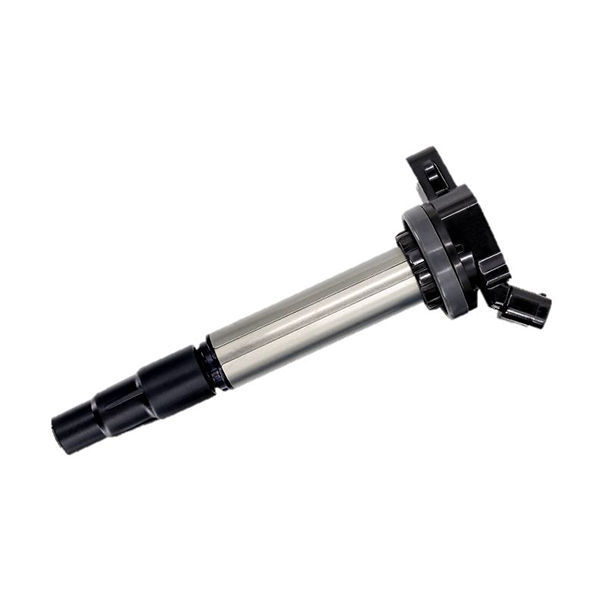
Exploring the Connection Between Ignition Coil Harness and Engine Misfires
Table of Contents
- Understanding the Ignition Coil Harness
- The Role of Ignition Coils in Engine Performance
- What is an Engine Misfire?
- Symptoms of Engine Misfires
- How the Ignition Coil Harness Causes Misfires
- Diagnosing Misfires Related to Ignition Coil Harness Issues
- Solutions and Preventative Measures
- Maintenance Tips for Ignition Systems
- Frequently Asked Questions
Understanding the Ignition Coil Harness
The **ignition coil harness** is a critical component of the ignition system in internal combustion engines. It serves as the wiring conduit that connects the ignition coils to the engine control unit (ECU) and the vehicle's power source. This harness not only transmits electrical signals but also ensures the proper functioning of the ignition coils, which are responsible for generating the high-voltage spark required to ignite the fuel-air mixture in the engine's cylinders.
A well-functioning ignition coil harness is essential for optimal engine performance. Damage or wear to the harness can lead to intermittent connections or complete failure, potentially resulting in significant engine issues.
The Role of Ignition Coils in Engine Performance
Ignition coils are fundamental to the ignition process. They convert the battery’s low voltage (typically 12 volts) into a high-voltage spark (up to 45,000 volts) necessary to ignite the fuel-air mixture in the combustion chamber. The ignition coil harness plays a pivotal role in ensuring that these coils receive the correct signals from the ECU.
When ignition coils function properly, they ensure smooth engine operation, efficient fuel consumption, and reduced emissions. However, when the ignition coil harness malfunctions, it can lead to a variety of performance issues, including engine misfires.
What is an Engine Misfire?
An **engine misfire** occurs when one or more cylinders in the engine fail to fire correctly. This can lead to a noticeable decline in performance, rough idling, and increased emissions. Misfires can stem from a range of issues, including fuel delivery problems, air intake issues, and, significantly, faulty ignition components like spark plugs, ignition coils, and the ignition coil harness.
Understanding the underlying causes of engine misfires is essential for effective diagnosis and repair.
Symptoms of Engine Misfires
Identifying engine misfires early can prevent extensive damage and costly repairs. Here are some common symptoms to look out for:
1. Rough Idle
A vehicle that shakes or vibrates while idling may indicate a misfire in one or more cylinders.
2. Reduced Power and Acceleration
If the engine struggles to accelerate or feels sluggish, it could be a sign of misfiring.
3. Check Engine Light
The **Check Engine Light (CEL)** is a warning indicator that can signify various issues, including misfires.
4. Increased Fuel Consumption
Misfires can lead to inefficient fuel combustion, resulting in higher fuel consumption.
5. Unusual Noises
Pinging, knocking, or backfiring noises can also indicate problems with the ignition system.
How the Ignition Coil Harness Causes Misfires
A malfunctioning ignition coil harness can directly lead to engine misfires. Here are some specific ways this component can impact engine performance:
1. Poor Electrical Connections
Corrosion, wear, or physical damage can disrupt the electrical connections within the ignition coil harness. This can result in intermittent spark delivery, causing cylinders to misfire.
2. Faulty Wiring
Damaged or frayed wires within the harness can prevent the ignition coils from receiving the necessary signals from the ECU. This can lead to complete or partial ignition failure in affected cylinders.
3. Short Circuits
A short circuit in the ignition coil harness can lead to erratic spark delivery, causing a misfire. This condition often results from insulation breakdown or physical damage to the wires.
4. Overheating
Heat buildup in the engine bay can affect the integrity of the ignition coil harness, leading to electrical failures and misfires.
Diagnosing Misfires Related to Ignition Coil Harness Issues
Diagnosing misfires stemming from ignition coil harness problems involves a systematic approach:
1. Use an OBD-II Scanner
Start by connecting an OBD-II scanner to retrieve diagnostic trouble codes (DTCs) related to misfires. Codes such as P0300 (random/multiple cylinder misfire detected) can indicate ignition system issues.
2. Visual Inspection
Conduct a thorough visual inspection of the ignition coil harness for signs of damage, such as frayed wires, corrosion, or loose connectors.
3. Test Ignition Coils
Individually test the ignition coils for proper operation. A faulty coil can often be identified through resistance testing.
4. Check Voltage Supply
Ensure that the ignition coils are receiving a steady voltage supply from the battery and ECU. Use a multimeter to check for voltage drop across the coil harness.
Solutions and Preventative Measures
Once you have identified the source of the misfire related to the ignition coil harness, consider these solutions:
1. Repair or Replace the Ignition Coil Harness
If the harness is damaged or corroded, it may need to be repaired or replaced entirely. Ensure that all connections are secure and free from corrosion.
2. Replace Ignition Coils
If ignition coils are found to be defective, replacing them can resolve misfire issues.
3. Regular Maintenance Checks
Implement regular diagnostic checks on the ignition system, including visual inspections and testing of electrical components.
4. Use High-Quality Parts
When replacing any components of the ignition system, opt for high-quality parts that meet or exceed OEM specifications to ensure reliability and longevity.
Maintenance Tips for Ignition Systems
Proper maintenance of the ignition system can prevent future misfires and ensure optimal engine performance. Here are some essential tips:
1. Regularly Inspect and Clean
Conduct regular inspections of the ignition coil harness and connectors to ensure they are clean and free from corrosion.
2. Replace Spark Plugs as Recommended
Follow the manufacturer’s recommendation for spark plug replacement intervals to ensure optimal combustion.
3. Monitor Engine Performance
Pay attention to the vehicle's performance and address any signs of misfire immediately.
4. Maintain Optimal Engine Temperature
Ensure the engine is running at the correct temperature to prevent overheating of ignition components.
5. Use Quality Fuel
Opt for high-quality fuel to prevent carbon buildup in the combustion chamber, which can affect ignition performance.
Frequently Asked Questions
1. What are the common causes of engine misfires?
Engine misfires can be caused by faulty ignition components, fuel delivery issues, air intake problems, and mechanical failures in the engine.
2. How can I tell if my ignition coil is bad?
Common signs of a bad ignition coil include engine misfires, reduced acceleration, rough idling, and the illumination of the Check Engine Light.
3. Is it safe to drive with an engine misfire?
Driving with an engine misfire can lead to more severe engine damage, decreased fuel efficiency, and increased emissions. It is advised to address the issue promptly.
4. How can I prevent ignition coil issues?
Regular maintenance, including inspections and timely replacement of worn components, can help prevent ignition coil issues.
5. Can I replace the ignition coil harness myself?
Yes, if you have the necessary tools and knowledge, replacing the ignition coil harness can be a DIY project. However, if you are unsure, it's best to consult a professional mechanic.
Conclusion
The connection between the **ignition coil harness** and engine misfires is a critical aspect of vehicle performance that should not be overlooked. Understanding the role of the ignition coil harness, recognizing the signs of misfires, and implementing preventative measures can enhance the longevity of your vehicle. By diagnosing issues early and maintaining the ignition system, drivers can ensure smoother rides and improved engine efficiency. Whether you are a seasoned mechanic or a vehicle owner, knowledge of this crucial topic can lead to better maintenance practices and a deeper appreciation for the intricacies of automotive engineering.
TAG:
Previous:
Latest News

Phone
Address
No.68, Hongqi Rd , Zhuzhou City , Hunan , China.
2025 © Weichai Torch Technology Co., Ltd. All Rights Reserved