
The Link Between Ignition Coil Harness and Emission Control: A Comprehensive Guide
2026-07-22
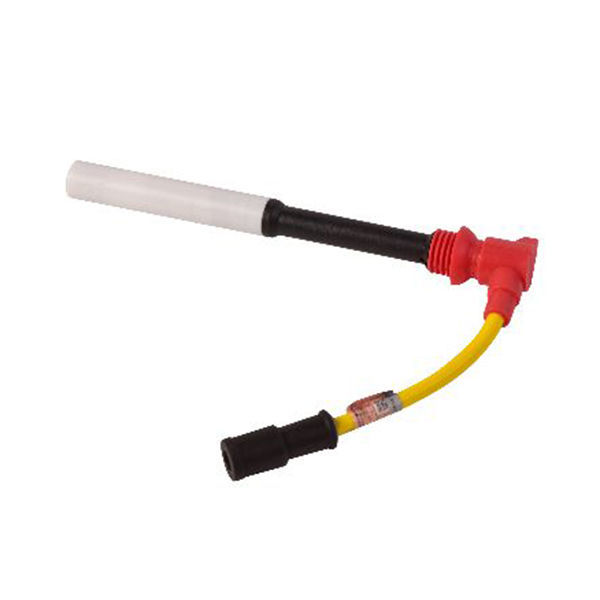
The Link Between Ignition Coil Harness and Emission Control: A Comprehensive Guide
Table of Contents
- Introduction to Ignition Coil Harness and Emission Control
- Understanding Ignition Systems in Modern Vehicles
- The Role of Ignition Coil Harness in Engine Performance
- Emission Control Systems: An Overview
- The Connection Between Ignition Coil Harness and Emission Control
- Impact of a Faulty Ignition Coil Harness on Emission Control
- Maintenance Tips for Ignition Coil Harness and Emission Control Systems
- Conclusion
- FAQs
Introduction to Ignition Coil Harness and Emission Control
Modern vehicles are equipped with complex systems that work in harmony to ensure optimal performance and minimal environmental impact. One essential component in this equation is the **ignition coil harness**, which plays a pivotal role in the ignition system. Understanding how this component interacts with the **emission control system** can help vehicle owners and enthusiasts appreciate its importance in maintaining vehicle efficiency, performance, and compliance with environmental standards.
Understanding Ignition Systems in Modern Vehicles
Ignition systems are critical for engine operation as they initiate the combustion process. The ignition coil is responsible for generating the high voltage needed to ignite the air-fuel mixture in the combustion chamber. The **ignition coil harness** connects the ignition coils to the engine control unit (ECU) and is integral to ensuring that electrical signals are transmitted effectively.
The ignition system has evolved from traditional points-based systems to modern distributor-less ignition systems (DIS) and coil-on-plug (COP) systems. These advancements enhance fuel efficiency and reduce emissions, making them vital for contemporary automotive technology.
The Role of Ignition Coil Harness in Engine Performance
The **ignition coil harness** serves several essential functions:
- **Electrical Connectivity**: It provides the necessary connections between the ignition coils and the ECU, allowing for precise control of ignition timing.
- **Signal Transmission**: The harness transmits electrical signals that ensure the coils operate when needed, optimizing engine performance and fuel efficiency.
- **Durability and Protection**: A well-designed harness is often insulated and protected from heat, vibration, and contaminants, preventing premature wear and failure.
A properly functioning ignition coil harness directly impacts the vehicle's performance, including throttle response, fuel efficiency, and emissions levels.
Emission Control Systems: An Overview
Emission control systems are designed to minimize harmful pollutants released into the atmosphere through exhaust gases. These systems include various components, such as catalytic converters, oxygen sensors, and exhaust gas recirculation (EGR) systems.
The primary goal of these systems is to ensure that the vehicle complies with environmental regulations while maintaining engine performance. Effective emission control is crucial for reducing air pollution and meeting stringent government standards.
The Connection Between Ignition Coil Harness and Emission Control
The relationship between the **ignition coil harness** and **emission control systems** is significant. Here’s how they interact:
- **Combustion Efficiency**: The ignition coil harness ensures that the ignition coils fire at the correct time, which directly affects the combustion process. Efficient combustion leads to fewer unburned hydrocarbons and lower emissions.
- **Impact on Sensors**: Many emission control systems rely on sensor data, such as oxygen sensors, to adjust fuel mixture and timing. A malfunctioning ignition coil harness can send incorrect signals, leading to suboptimal performance and higher emissions.
- **Diagnostic Feedback**: Modern vehicles are equipped with diagnostic systems that monitor the performance of ignition and emission components. A faulty harness can trigger warning lights and diagnostic codes, indicating issues that need addressing.
Impact of a Faulty Ignition Coil Harness on Emission Control
A **faulty ignition coil harness** can lead to various issues that negatively impact both engine performance and emission control:
- **Increased Emissions**: Poor ignition timing caused by a faulty harness can result in incomplete combustion, increasing harmful emissions.
- **Engine Performance Issues**: Misfires, poor throttle response, and reduced power output are common symptoms of a malfunctioning ignition coil harness.
- **Higher Repair Costs**: Ignoring ignition coil harness issues can lead to more severe engine problems, resulting in costly repairs.
Timely diagnosis and repair of a faulty ignition coil harness are essential for maintaining optimal vehicle performance and compliance with emission standards.
Maintenance Tips for Ignition Coil Harness and Emission Control Systems
Regular maintenance can prevent issues related to the ignition coil harness and emission control systems. Here are some effective tips:
- **Routine Inspections**: Regularly inspect the ignition coil harness for signs of wear, such as fraying, cracking, or corrosion.
- **Check Connections**: Ensure that all electrical connections are tight and free of corrosion, which can impede performance.
- **Replace Worn Components**: If you notice any signs of failure, it’s crucial to replace the ignition coil harness and any related components promptly.
- **Maintain the Emission Control System**: Regularly check and maintain the emission control system, including replacing oxygen sensors and cleaning the catalytic converter as needed.
- **Use Quality Parts**: When replacing components, opt for high-quality parts that meet or exceed OEM specifications to ensure longevity and performance.
By following these tips, vehicle owners can enhance the longevity of their ignition coil harness and maintain compliant emission control systems.
Conclusion
The link between the **ignition coil harness** and **emission control systems** is a critical aspect of modern automotive technology. Understanding this relationship not only helps vehicle owners maintain optimal performance but also ensures compliance with environmental regulations. Regular maintenance and prompt repairs of the ignition coil harness can lead to improved combustion efficiency, reduced emissions, and enhanced overall vehicle performance. By prioritizing these components, drivers can enjoy a smoother, more efficient driving experience while contributing to a healthier environment.
FAQs
1. What is the primary function of an ignition coil harness?
The ignition coil harness connects the ignition coils to the engine control unit (ECU) and ensures proper electrical signals are transmitted for optimal engine performance.
2. How does a faulty ignition coil harness affect emissions?
A faulty ignition coil harness can lead to poor ignition timing, resulting in incomplete combustion and increased harmful emissions from the vehicle.
3. How can I tell if my ignition coil harness is failing?
Signs of a failing ignition coil harness include engine misfires, poor throttle response, warning lights on the dashboard, and higher than normal emissions.
4. What maintenance is required for the ignition coil harness?
Routine inspections for wear and tear, ensuring tight electrical connections, and replacing any worn components are essential for maintaining the ignition coil harness.
5. Can a faulty ignition coil harness lead to engine damage?
Yes, if left unaddressed, a faulty ignition coil harness can cause misfires and poor engine performance, potentially leading to more severe engine damage and costly repairs.
TAG:
Latest News

Phone
Address
No.68, Hongqi Rd , Zhuzhou City , Hunan , China.
Copyright © 2026 Weichai Torch Technology Co., Ltd. All Rights Reserved