
Spark Plug Wire Set Compatibility: What You Need to Know for Your Car
2026-06-24
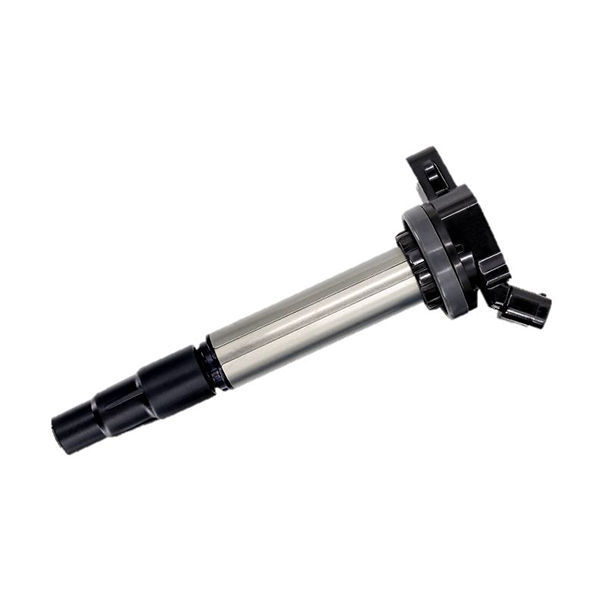
Spark Plug Wire Set Compatibility: What You Need to Know for Your Car
Spark plug wires play a vital role in the ignition system of your vehicle, serving as the conduit for electrical energy from the ignition coil to the spark plugs. The compatibility of spark plug wire sets with your car is crucial for optimal engine performance. In this comprehensive guide, we will delve into the intricacies of spark plug wire set compatibility, helping you make informed decisions for your vehicle's needs.
Understanding Spark Plug Wires: Their Role in Your Car
Spark plug wires, also known as ignition wires or leads, are essential components of your vehicle's ignition system. They are responsible for transmitting the high-voltage electrical current from the ignition coil to the spark plugs, igniting the air-fuel mixture in the engine's cylinders. A reliable spark plug wire set ensures efficient combustion, leading to better engine performance, fuel efficiency, and reduced emissions.
Components of Spark Plug Wires
Spark plug wires consist of several components, each contributing to their overall performance:
- Conductive Core: Usually made of copper, carbon, or a combination of both, the core conducts electricity from the ignition coil to the spark plug.
- Insulation: The outer layer of the wire, often made from silicone or EPDM rubber, protects against electrical leakage and high temperatures.
- Boots: The rubber fittings at both ends of the wire provide a secure connection to the ignition coil and spark plug.
Factors Affecting Spark Plug Wire Set Compatibility
When selecting a spark plug wire set for your vehicle, several factors influence compatibility:
1. Vehicle Make and Model
The most significant factor in determining compatibility is your vehicle's make and model. Different vehicles have varying ignition systems that require specific spark plug wire sets. Always refer to your vehicle's owner manual or consult with a professional to identify the correct part numbers.
2. Engine Configuration
Vehicles with different engine configurations, such as inline, V6, or V8, require spark plug wires specifically designed for their layout. Ensure that the wire set matches your engine's configuration for seamless installation and operation.
3. Wire Length and Routing
Wire length is another critical factor. Spark plug wires must be long enough to reach from the ignition coil to the spark plugs without being overly stretched or sagging. Proper routing is essential to avoid interference with other engine components and to minimize the risk of electrical interference.
4. Resistance Ratings
Spark plug wires come with different resistance ratings, which can affect engine performance. Low-resistance wires provide better conductivity but may increase electrical noise, while high-resistance options reduce noise but can lead to weaker performance. Choose a set that aligns with your performance requirements.
5. Material Quality
The materials used in the construction of spark plug wires greatly affect their durability and performance. High-quality wires often utilize superior conductive materials and insulation capable of withstanding high temperatures and electrical stress. Investing in a reputable brand is critical for reliability.
Choosing the Right Spark Plug Wire Set
Selecting the right spark plug wire set involves more than just matching part numbers. Consider the following factors to ensure optimal compatibility:
1. OEM vs. Aftermarket Wires
Original Equipment Manufacturer (OEM) wires are built to the specifications of your vehicle's manufacturer. Aftermarket wires, on the other hand, may offer enhanced performance features but could vary in compatibility. Determine what is best for your needs and consider consulting with a professional if in doubt.
2. Performance Expectations
If you're looking for enhanced performance, consider wires designed for racing or high-performance applications. These wires often feature lower resistance and improved insulation, resulting in better spark delivery and acceleration. However, ensure that they are compatible with your vehicle’s ignition system.
3. Installation Considerations
While many spark plug wire sets come with installation instructions, it's essential to consider your own mechanical skills. If you’re not comfortable with DIY installations, enlisting the help of a professional mechanic can ensure that the wires are installed correctly, preventing potential issues down the line.
How to Install Spark Plug Wires Correctly
Installing spark plug wires may seem daunting, but with the right approach, you can do it yourself. Here’s a step-by-step guide:
1. Gather Your Tools
Before starting, gather the necessary tools, including:
- Socket wrench set
- Spark plug wire puller (optional)
- Dielectric grease (optional)
2. Disconnect the Battery
For safety, always disconnect the negative terminal of your battery before working on the ignition system.
3. Remove Old Wires
Starting with one wire at a time, carefully disconnect the old spark plug wire from the ignition coil and spark plug. Avoid pulling on the wire itself; instead, grip the boot to prevent damage.
4. Install New Wires
Insert the new spark plug wire onto the spark plug and ignition coil, ensuring a snug fit. If desired, apply dielectric grease to the boot to facilitate easier removal in the future.
5. Route Wires Properly
Be mindful of routing the wires away from hot engine components and moving parts. Use wire separators if necessary to maintain an organized setup.
6. Reconnect the Battery
Once all wires are installed, reconnect the battery and start your vehicle to ensure everything is functioning correctly.
Maintaining Your Spark Plug Wires
Proper maintenance of your spark plug wires can extend their lifespan and maintain engine performance. Follow these tips:
1. Regular Inspections
Periodically inspect your spark plug wires for signs of wear, such as fraying, cracking, or discoloration. Replace any damaged wires immediately to avoid ignition issues.
2. Keep Them Clean
Debris can accumulate on spark plug wires, leading to potential electrical interference. Use a clean cloth to wipe down the wires during regular maintenance to keep them clean.
3. Monitor Engine Performance
Pay attention to your engine's performance. If you notice misfires, rough idling, or decreased fuel efficiency, it may be time to inspect and possibly replace your spark plug wires.
FAQs About Spark Plug Wire Set Compatibility
1. How do I know if my spark plug wires are compatible?
Check your vehicle's owner manual or consult with a professional to identify the correct part numbers and specifications for your spark plug wires.
2. Can I mix and match spark plug wires from different brands?
Mixing wires from different brands is not recommended, as they may have different specifications, lengths, and resistances, leading to compatibility issues.
3. What are the signs of faulty spark plug wires?
Common signs of faulty spark plug wires include engine misfires, poor fuel economy, rough idling, and difficulty starting the engine.
4. How often should I replace my spark plug wires?
It’s generally recommended to replace spark plug wires every 60,000 to 100,000 miles, but this can vary based on driving conditions and the specific vehicle.
5. What is the difference between high-performance and standard spark plug wires?
High-performance spark plug wires typically feature lower resistance and higher quality materials, providing better spark delivery and overall engine performance compared to standard wires.
Conclusion
Understanding spark plug wire set compatibility is essential for maintaining your vehicle's ignition system and ensuring optimal engine performance. By considering factors such as vehicle make and model, engine configuration, and wire quality, you can choose the right spark plug wires for your car. Regular inspections and maintenance will further enhance the performance and longevity of your spark plug wires. Whether you're a DIY enthusiast or prefer professional assistance, knowledge of spark plug wire compatibility will empower you to make informed decisions that benefit your vehicle.
Previous:
Latest News

Phone
Address
No.68, Hongqi Rd , Zhuzhou City , Hunan , China.
2025 © Weichai Torch Technology Co., Ltd. All Rights Reserved