
Performance Ignition Coils Explained: Boosting Your Engine's Potential
2026-04-21
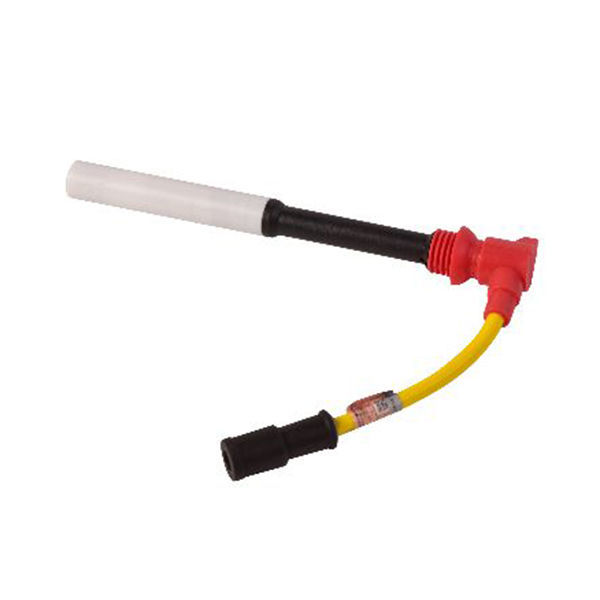
Performance Ignition Coils Explained: Boosting Your Engine's Potential
Table of Contents
- What Are Ignition Coils?
- How Ignition Coils Work
- Types of Performance Ignition Coils
- Benefits of Upgrading to Performance Coils
- How to Choose Performance Ignition Coils
- Ignition Coil Installation Guide
- Common Issues with Ignition Coils
- Frequently Asked Questions
What Are Ignition Coils?
Ignition coils are essential components of an engine's ignition system. They transform the battery's low voltage into the high voltage needed to create a spark at the spark plugs, igniting the air-fuel mixture in the engine's cylinders. This process is vital for engine performance, as the ignition coils play a crucial role in determining how efficiently the engine runs.
These coils come in various shapes and sizes, but their primary function remains the same: to produce a powerful electrical spark that can ignite the fuel mixture, leading to combustion. A strong and reliable ignition coil is essential for optimal engine performance and efficiency.
How Ignition Coils Work
To understand how ignition coils work, it is essential to know the basic principles of electromagnetism. An ignition coil consists of two coils of wire, known as the primary and secondary coils, wrapped around a core. When the ignition system is activated, current flows through the primary coil, creating a magnetic field.
Once the engine's control unit cuts off the current, the magnetic field collapses, inducing a high voltage in the secondary coil. This high voltage can reach anywhere from 12,000 to 45,000 volts or more, depending on the coil's design. This voltage is then sent to the spark plugs, creating a spark that ignites the air-fuel mixture in the engine's cylinders.
This sequence occurs rapidly, often multiple times per second, enabling the engine to maintain a steady power output. Understanding this process is vital for anyone looking to enhance their vehicle's performance through ignition coil upgrades.
Types of Performance Ignition Coils
When delving into performance ignition coils, it's essential to know the various types available. Each type offers unique advantages:
1. Conventional Ignition Coils
These are the traditional ignition coils found in older vehicles. They tend to be less efficient than modern alternatives but can still provide adequate performance for many applications.
2. Coil-on-Plug (COP) Ignition Coils
These coils are designed to mount directly on top of the spark plugs. COP systems eliminate the need for ignition wires, reducing energy loss and improving ignition timing accuracy. This design is common in newer vehicles and offers better performance than conventional systems.
3. Performance Ignition Coils
Specifically engineered for enhanced performance, these coils are designed to produce higher voltage outputs and improved energy efficiency. They typically feature advanced materials and designs that allow for better heat dissipation and more robust spark generation.
4. High-Performance Coils
These are the crème de la crème of ignition coils. They are built for racing and high-performance applications, providing maximum spark energy and improved throttle response. If you're looking to push your vehicle to its limits, high-performance coils are the way to go.
Benefits of Upgrading to Performance Coils
Upgrading to performance ignition coils can yield numerous benefits, enhancing your overall driving experience. Here are some of the key advantages:
1. Improved Fuel Efficiency
Performance ignition coils provide a more robust spark, resulting in complete fuel combustion. This efficiency translates to better gas mileage, allowing you to save money at the pump while reducing emissions.
2. Increased Power Output
By ensuring a strong, consistent spark, performance coils help to maximize horsepower and torque. This enhanced power translates to quicker acceleration and more responsive throttle response, making your driving experience more enjoyable.
3. Better Engine Response
Performance ignition coils deliver consistent and reliable ignition, improving engine drivability. You'll notice smoother acceleration, better throttle response, and an overall increase in engine performance.
4. Enhanced Engine Longevity
A well-functioning ignition system reduces strain on the engine components. By upgrading to performance coils, you can minimize wear and tear, promoting a longer lifespan for your engine.
5. Customization Opportunities
Performance ignition coils can be part of a broader engine tuning strategy. They can be paired with other performance upgrades, such as high-flow air filters and exhaust systems, for a comprehensive enhancement to your vehicle's capabilities.
How to Choose Performance Ignition Coils
Selecting the right performance ignition coils for your vehicle requires careful consideration. Here are some key factors to keep in mind:
1. Compatibility
Always ensure that the ignition coils are compatible with your specific make and model. Check the manufacturer’s specifications to confirm fitment.
2. Voltage Rating
Look for coils that offer higher voltage outputs. Generally, the higher the voltage, the better the ignition performance. However, balance this with compatibility to avoid damaging your engine.
3. Build Quality
Choose coils made from high-quality materials that can withstand heat and vibration. Look for coils with robust insulation and heat dissipation features.
4. Brand Reputation
Opt for reputable brands known for producing high-performance ignition coils. Reading user reviews and seeking recommendations can help you make an informed choice.
5. Price Considerations
While performance coils can be more expensive than standard options, consider their long-term benefits. Investing in quality coils can save you money in fuel costs and repairs in the long run.
Ignition Coil Installation Guide
Installing performance ignition coils can be a straightforward process if you follow these steps:
1. Gather Necessary Tools
You'll need basic tools such as a socket set, screwdrivers, and possibly a torque wrench. Ensure you have the new coils and any necessary gaskets or seals handy.
2. Disconnect the Battery
Safety is paramount. Always disconnect the negative terminal of the battery to prevent electrical shocks during installation.
3. Remove Existing Ignition Coils
Carefully undo any connectors and screws securing the old coils. Note their order for easy reinstallation. If you're dealing with a COP system, be cautious with the spark plugs.
4. Install New Performance Coils
Position the new coils in the same order as the old ones. Secure them in place, reconnect any wiring or connectors, and ensure everything is tight.
5. Reconnect the Battery and Test
Once everything is in place, reconnect the battery and start your engine. If it runs smoothly, you've successfully upgraded your ignition system!
Common Issues with Ignition Coils
Understanding potential problems can help you maintain your ignition system effectively. Here are some common issues:
1. Misfire Symptoms
If you notice your engine misfiring, it could indicate a failing ignition coil. Symptoms may include a rough idle, loss of power, and decreased fuel efficiency.
2. Check Engine Light
A malfunctioning ignition coil can trigger the check engine light. It's essential to diagnose the issue promptly to prevent further engine damage.
3. Reduced Performance
If you experience sluggish acceleration or poor engine response, it may be time to inspect your ignition coils. Upgrading to performance coils can resolve these issues.
4. Overheating
Ignition coils can overheat if they're not functioning correctly. Ensure proper airflow and inspect for any signs of wear.
5. Corrosion
Corrosion can lead to poor connections and performance issues. Regularly check for signs of rust or corrosion on coil connections and terminals to maintain optimal performance.
Frequently Asked Questions
1. How often should I replace my ignition coils?
It's recommended to replace ignition coils approximately every 60,000 to 100,000 miles. However, this can vary based on vehicle type and driving conditions.
2. Can I upgrade my ignition coils without other modifications?
Yes, upgrading your ignition coils can enhance performance independent of other modifications. However, combining upgrades can provide even greater benefits.
3. Do performance ignition coils increase fuel efficiency?
Yes, performance ignition coils can lead to better fuel efficiency due to improved combustion, resulting in cost savings over time.
4. Can I install performance ignition coils myself?
If you have basic mechanical skills, you can install performance ignition coils yourself. However, if you’re unsure, consider seeking professional help.
5. What signs indicate a failing ignition coil?
Common signs include misfiring, reduced power, poor fuel efficiency, and a lit check engine light. Addressing these symptoms promptly is essential for maintaining engine health.
Conclusion
In conclusion, upgrading to performance ignition coils is a highly effective way to boost your engine's potential. By understanding how these components work and recognizing the benefits they offer, you can make informed decisions that enhance your vehicle's performance, fuel efficiency, and overall driving experience. Whether you're a casual driver or an automotive enthusiast, investing in quality performance ignition coils can lead to significant improvements and enjoyment on the road. Prioritize compatibility, quality, and reputation when selecting your ignition coils, and don't hesitate to consult a professional for installation if needed. Your engine deserves the best, and performance ignition coils can help you unlock its true potential.
TAG:
Latest News

Phone
Address
No.68, Hongqi Rd , Zhuzhou City , Hunan , China.
2025 © Weichai Torch Technology Co., Ltd. All Rights Reserved