
How Ignition Coil Modules Impact Engine Start-Up Times: A Comprehensive Analysis
2026-04-05
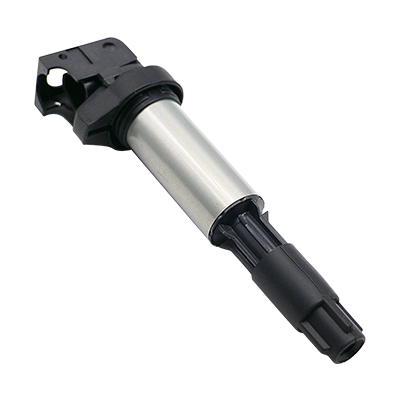
Understanding Ignition Coil Modules and Their Role in Engine Start-Up
When it comes to automotive technology, few components are as vital as the **ignition coil module**. This component is essential for initiating the combustion process in internal combustion engines, thereby influencing engine start-up times significantly. Understanding how these modules function, their impact on engine performance, and their maintenance can help improve both efficiency and reliability.
What Are Ignition Coil Modules?
**Ignition coil modules** serve as transformers that convert low battery voltage into the high voltage needed to create a spark in the engine’s combustion chamber. This spark ignites the air-fuel mixture, allowing the engine to run smoothly.
The Components of an Ignition Coil Module
The ignition coil module consists of several critical parts:
- **Primary Coil**: This winding receives low voltage from the battery.
- **Secondary Coil**: This winding generates a much higher voltage, typically between 12,000 to 45,000 volts.
- **Core**: Usually made of iron, it enhances the magnetic field created during operation.
- **Insulation**: Protects against electrical shorts and ensures reliability.
How Ignition Coil Modules Work
The ignition coil module operates through electromagnetic induction. When the engine’s computer sends a signal to the coil, it energizes the primary coil. This creates a magnetic field, and when the signal is cut off, the collapsing magnetic field induces a high voltage in the secondary coil, leading to a spark that ignites the air-fuel mixture.
The Impact of Ignition Coil Modules on Engine Start-Up Times
Start-up time is critical for any vehicle and can be significantly affected by the ignition coil modules. A well-functioning coil can reduce the time it takes for the engine to start, while a faulty one can lead to extended cranking times or even failure to start.
Factors Influencing Start-Up Times
Several factors can influence how quickly an engine starts. Here are some of the most significant:
- **Voltage Output**: Insufficient voltage from the ignition coil can lead to weak sparks and prolonged start-up times.
- **Timing**: Proper timing is crucial for the ignition process. A delay can lead to starting issues.
- **Environmental Conditions**: Cold weather can affect the efficiency of ignition coils, as lower temperatures can lead to reduced voltage output.
The Importance of High-Quality Ignition Coil Modules
Investing in high-quality ignition coil modules can significantly improve engine start-up times. Premium coils are designed to withstand extreme conditions and maintain consistent voltage output. This leads to quicker starts, better fuel efficiency, and reduced emissions.
Signs of a Failing Ignition Coil Module
Identifying problems with your ignition coil module early on can prevent poor start-up times and other issues. Here are the most common signs of failure:
- **Extended Cranking**: Taking longer than usual to start your engine can indicate a failing ignition coil.
- **Misfiring**: If the engine stutters or hesitates while running, the ignition coil may be struggling to provide adequate voltage.
- **Check Engine Light**: A lit check engine light can signify ignition system issues, including coil problems.
Maintenance Tips for Ignition Coil Modules
Maintaining your ignition coil modules is essential for ensuring optimal performance. Here are some effective maintenance strategies:
- **Regular Inspections**: Check your ignition coils for any visible signs of wear, such as cracks or corrosion.
- **Electrical Connections**: Ensure all connections are tight and free from corrosion to maintain good conductivity.
- **Professional Diagnostics**: Consider having your ignition system examined by a professional, especially if you notice any signs of failure.
Upgrading Your Ignition Coil Modules
For those looking to enhance their engine's performance, upgrading ignition coil modules can be a game-changer. Aftermarket options often provide better performance and efficiency than standard parts. When considering an upgrade, look for:
- **Higher Voltage Output**: Coils that deliver more voltage can lead to better engine start-up times and overall performance.
- **Durable Materials**: Selecting coils made from high-quality materials can ensure longevity and reliability.
How Ignition Coil Modules Influence Fuel Efficiency
The efficiency of your vehicle's ignition system directly impacts fuel consumption. Faulty ignition coils can lead to incomplete combustion, which often results in higher fuel usage. Conversely, a well-functioning ignition system can enhance fuel efficiency. Here's how:
- **Optimal Spark Timing**: Ensures complete combustion, maximizing power generation from the fuel.
- **Reduced Emissions**: Efficient combustion produces fewer harmful emissions, contributing to a cleaner environment.
Real-World Examples of Ignition Coil Module Impact
Consider a scenario where a vehicle with a failing ignition coil module struggles to start. This could lead to frustration for the driver, increased wear on the starter motor, and even a drain on the battery. In contrast, a vehicle with a high-quality ignition coil starts promptly and operates efficiently, highlighting the importance of this component in everyday driving.
FAQs About Ignition Coil Modules and Engine Start-Up
1. What is the average lifespan of an ignition coil module?
The typical lifespan of an ignition coil module is around 60,000 to 100,000 miles, but this can vary based on driving conditions and maintenance.
2. Can a faulty ignition coil module cause engine damage?
Yes, if an ignition coil module fails, it can lead to engine misfires, which may cause damage over time.
3. How can I test my ignition coil module?
You can test your ignition coil module using a multimeter to check for proper resistance levels and voltage output.
4. Are aftermarket ignition coil modules better than OEM parts?
Aftermarket ignition coil modules can offer improved performance and durability. However, quality varies, so research is essential.
5. What other parts of the ignition system should I check along with the ignition coil module?
It's advisable to inspect spark plugs, ignition wires, and the ignition control module to ensure the entire system functions optimally.
Conclusion
In summary, **ignition coil modules** are crucial components that significantly influence engine start-up times and overall vehicle performance. Understanding their role, recognizing symptoms of failure, and maintaining these modules can lead to a reliable and efficient engine. Upgrading to high-quality ignition coils can further enhance performance, ensuring you get the best out of your vehicle. By prioritizing ignition coil maintenance and upgrades, drivers can enjoy improved efficiency, reduced emissions, and, most importantly, a smoother start every time they turn the key.
TAG:
Previous:
Latest News

Phone
Address
No.68, Hongqi Rd , Zhuzhou City , Hunan , China.
2025 © Weichai Torch Technology Co., Ltd. All Rights Reserved