
Why You Should Consider Performance Ignition Coils for Your Vehicle
2026-03-24
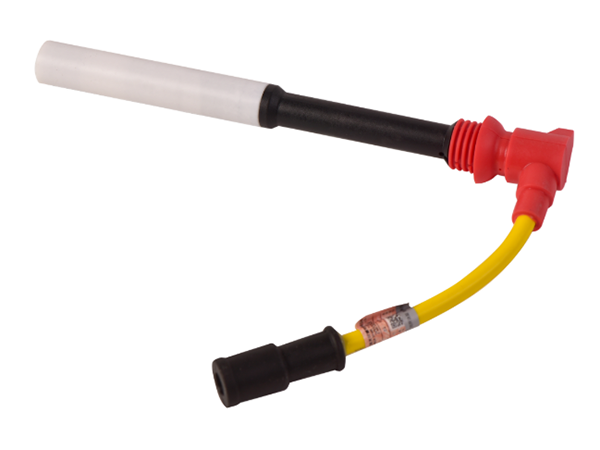
Why You Should Consider Performance Ignition Coils for Your Vehicle
Introduction to Performance Ignition Coils
In the world of automotive performance, ignition coils play a crucial role in the engine's operation. They are responsible for converting the battery's low voltage into the high voltage needed to ignite the air-fuel mixture in the combustion chamber. Upgrading to **performance ignition coils** can significantly impact your vehicle's performance and efficiency. This article delves into the benefits, features, and considerations when choosing performance ignition coils for your vehicle.
Understanding Ignition Coils: The Basics
To appreciate the significance of performance ignition coils, it’s essential to understand their function. An ignition coil is essentially a transformer that generates a high-voltage spark. The key components include:
Structure of Ignition Coils
- **Primary Winding**: A coil of wire that generates a magnetic field when current flows through it.
- **Secondary Winding**: A coil that amplifies the voltage generated from the primary coil.
- **Core**: Usually made of iron, it helps to strengthen the magnetic field.
How Ignition Coils Work
When the ignition key is turned, the battery sends current to the primary winding of the ignition coil. The magnetic field generated causes the secondary winding to produce a high-voltage pulse, which is transmitted to the spark plugs. This process ignites the air-fuel mixture, resulting in combustion that powers the vehicle.
The Advantages of Performance Ignition Coils
Upgrading to performance ignition coils can bring several benefits:
1. Enhanced Engine Performance
Performance ignition coils provide a more robust spark, leading to improved combustion efficiency. This translates to **better throttle response**, increased horsepower, and overall enhanced performance, especially in high-demand situations.
2. Improved Fuel Efficiency
With a stronger spark, the air-fuel mixture is burned more completely. This can lead to better fuel efficiency, meaning you can cover more miles on the same amount of fuel. For eco-conscious drivers, this not only saves money but also reduces emissions.
3. Increased Reliability
Performance ignition coils are often built with higher-quality materials, making them more durable compared to standard coils. They can withstand higher temperatures and perform better under stress, reducing the likelihood of misfires and ignition failures.
4. Compatibility with Modifications
If your vehicle has undergone modifications such as upgraded exhaust systems or turbocharging, performance ignition coils can help ensure that the engine receives the optimal combustion conditions, maximizing the benefits of those upgrades.
5. Easy Installation
For most vehicles, replacing ignition coils is a straightforward process that can be done with basic tools. Many performance ignition coils are designed to be direct replacements for factory parts, making the upgrade accessible.
Choosing the Right Performance Ignition Coils
Selecting the appropriate performance ignition coils for your vehicle requires careful consideration. Here are some factors to keep in mind:
1. Vehicle Compatibility
Ensure that the ignition coils you choose are compatible with your vehicle’s make and model. Check the specifications and consult with the manufacturer or an automotive professional if necessary.
2. Quality and Brand Reputation
Investing in high-quality ignition coils from reputable brands can make a significant difference. Look for brands known for their performance parts and check user reviews for insights into their reliability and effectiveness.
3. Heat Resistance
Performance coils should be able to withstand higher temperatures and stress. Look for coils designed with heat-resistant materials to ensure longevity and consistent performance.
4. Warranty and Support
Consider products that come with a warranty. This gives you peace of mind in case of any issues. Additionally, check if the manufacturer offers customer support for installation and troubleshooting.
Installation Tips for Performance Ignition Coils
Installing performance ignition coils is generally an easy task. Here’s a step-by-step guide to help you through the process:
1. Gather Your Tools
You will need:
- Socket set
- Torque wrench
- Screwdriver
- Safety glasses
2. Disconnect the Battery
Before starting, disconnect the negative terminal of the battery to prevent any electrical accidents during the installation.
3. Remove Old Ignition Coils
Locate the ignition coils on your engine. Disconnect the wiring harness and unbolt the coils using your socket set. Carefully remove the old coils.
4. Install the New Performance Ignition Coils
Position the new performance ignition coils in place. Secure them with the bolts and reconnect the wiring harness. Make sure everything is tight and secure.
5. Reconnect the Battery and Test
Reconnect the battery and start your vehicle. Check for any error codes and listen for any unusual noises. Ensure the engine runs smoothly, indicating a successful installation.
Common Misconceptions About Performance Ignition Coils
To make an informed decision, it’s essential to address some common misconceptions surrounding performance ignition coils.
1. Performance Ignition Coils are Only for Racing
While performance ignition coils are popular in racing applications, they can benefit everyday drivers too. Enhanced efficiency and throttle response can improve your daily driving experience.
2. They Require Complex Installation
Contrary to this belief, many performance ignition coils are designed for easy installation. Even those with minimal mechanical knowledge can often perform the upgrade.
3. All Performance Ignition Coils are the Same
Not all performance ignition coils are created equal. Variations in material quality, design, and specifications can affect performance, so thorough research is essential.
Frequently Asked Questions (FAQs)
1. How do I know if I need to upgrade my ignition coils?
Signs include poor engine performance, decreased fuel efficiency, engine misfires, and difficulty starting your vehicle. If you notice these symptoms, it may be time to consider an upgrade.
2. Can I install performance ignition coils myself?
Yes, installation is typically straightforward and can be done with basic tools. Just follow the instructions carefully, and consult a professional if you're unsure.
3. Will performance ignition coils affect my warranty?
Upgrading to performance parts can potentially void your warranty, depending on the manufacturer's policies. Check with your dealer or review your warranty terms before proceeding.
4. How long do performance ignition coils last?
High-quality performance ignition coils can last anywhere from 50,000 to 100,000 miles, depending on the brand and driving conditions.
5. Can performance ignition coils improve my vehicle's sound?
While performance ignition coils primarily enhance engine performance, a more efficient combustion process can lead to a slightly improved exhaust note, depending on your vehicle.
Conclusion
Upgrading to performance ignition coils can lead to significant improvements in your vehicle’s power, efficiency, and reliability. By providing a stronger spark, these coils ensure optimal combustion, enhancing both performance and fuel economy. When considering this upgrade, it’s vital to choose high-quality products that fit your vehicle's specifications. With the right ignition coils, you can enjoy a more responsive and efficient driving experience, making your investment worthwhile. Take the leap and consider performance ignition coils for your vehicle today, and experience the difference the right components can make!
TAG:
Previous:
Latest News

Phone
Address
No.68, Hongqi Rd , Zhuzhou City , Hunan , China.
2025 © Weichai Torch Technology Co., Ltd. All Rights Reserved